In this article, we will take a detailed look at the 10 Healthiest Artificial and Natural Sweeteners in the World, with insights into the consumption by people and market share. For a quick overview of the 5 healthiest artificial and natural sweeteners, read our article 5 Healthiest Artificial and Natural Sweeteners in the World.
With growing awareness of health risks associated with sugar consumption, there is a growing demand for low-calorie and sugar-free sweeteners. The global sweeteners market is predicted to be value at around $108.72 billion by 2028. This growth is driven by increasing demand for low-calorie and sugar-free foods and beverages and rising awareness of health risks associated with sugar consumption.
Artificial sweeteners and natural sweeteners are two options that are available to consumers. The most common artificial sweeteners include aspartame, saccharin, and sucralose. The global market revenue of artificial sweeteners reached $21.3 billion in 2021. The most common natural sweeteners include stevia, monk fruit, and honey. By 2031, the natural sweeteners market is expected to exceed a value of $3.1 trillion. The healthiest artificial and natural sweeteners in the world have been studied extensively and shown to be safe for human consumption. They should also effectively sweeten foods and beverages without causing adverse side effects.
Consequently, research has indicated that artificial sweeteners can negatively impact heart health through plausible means. In May 2023, the World Health Organization cautioned against using low-calorie sweeteners to manage weight or lower the risk of non-communicable diseases. This advisory prompted varied responses from key players in sweetener industry.
Another recent study highlighted a potential link between sucralose, an artificial sweetener commonly found in products like Splenda, and adverse health effects. The study points to evidence that sucralose, which is 600 times sweeter than regular sugar, might lead to DNA damage and possibly increase the risk of cancer. Researchers conducted tests on mice and human cells, revealing concerning data about the impact of sucralose on DNA.
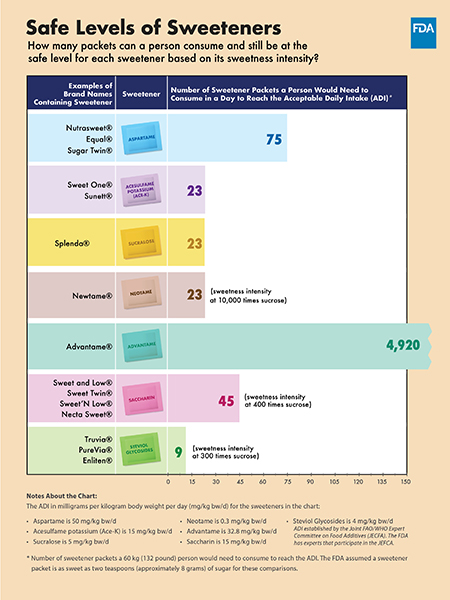
On the other hand, increase in consumer health awareness and surge in obesity and diabetes cases are driving the demand for sugar-free products. This, along with lifestyle diseases, weight loss trends, and food processing, is projected to fuel market growth. The Food and Drug Administration (FDA) recommends taking up to 5 mg per kg (of your body weight) of sucralose daily. For instance, a person weighing around 132 pounds (60 kilograms) can use 23 packets of sucralose sweetener daily. However, increasing demand for natural sweeteners is a significant challenge for the sweetener industry growth.
Sunwin Stevia International (NASDAQ:SUWN) is a Chinese company dealing with Stevia extract. With a current market cap of $79.85K, Sunwin Stevia International (NASDAQ:SUWN) is a leading player in the sweetener industry. Sunwin Stevia’s net income growth rate in 2022 was 8.37%. Sunwin Stevia (NASDAQ:SUWN) opened a US distribution center in 2016 to sell more stevia extract in the US. This distribution center helped stevia extracts get into more North American homes by cutting shipping times.
Another major key player in sweetener industry is Ingredion (NYSE:INGR), an American multinational food company with a market cap of US$ 8.4 billion. The annual net sales of nearly $7 billion in 2021 make Ingredion (NYSE:INGR) a prominent global supplier of ingredient solutions to food and beverage industry.
In November 2022, Ingredion (NYSE:INGR) reported completing $53 million of its $160 million capital investment plan. This investment aims to significantly increase the production capabilities of various modified and clean-label specialty starches throughout its worldwide supply chain. In the Q2 2023 earnings call transcript, it is reported that the company has an estimated $5 billion market, growing at a 6% compounded annual growth rate, specifically for high-intensity sweeteners for sugar reduction.
What is the healthiest alternative to sugar?
The healthiest alternative to sugar is often considered to be natural sweeteners like honey or maple syrup. These options have lower glycemic indexes than regular sugar, meaning they have a milder impact on blood sugar levels. For instance, honey has a glycemic index of 58, while table sugar is 63. Additionally, these natural sweeteners contain some beneficial nutrients. However, using them in moderation is essential, as they still contribute calories and sugars to the diet.
Photo by Daily Slowdown on Unsplash
Methodology
In this article, we have listed the 1o healthiest artificial and natural sweeteners in the world. To comprehensively assess their performance, we used two key metrics:
- Consumption by people
- Market share
To ensure the accuracy and reliability of the selected metrics, we draw upon reputable indexes and reports by the Food Insight Organization and Fortune Business Insights.
The data collected for consumption by people was at scale of 1 – 10 (1 is not likely, and 10 is most likely). The market share data was in percentages; we ranked this data on a scale of 1 – 10 (1 is the lowest and 10 is the highest). We then find the averages of indexes for ranking the healthiest artificial and natural sweeteners in the world.
Using the averages, we then ranked the 10 healthiest artificial and natural sweeteners in the world in descending order from 10 to 1 (based on the averaged results), with 1 representing the highest rank and 10 representing the lowest on our list.
Here is our list of the 10 healthiest artificial and natural sweeteners in the world, shedding light on their impact on human health and market share in the global sweeteners industry.
Healthiest Artificial and Natural Sweeteners in the World
-
Maltitol
Consumption by people in 2021: 3.4%
Maltitol is a sugar alcohol that is often used as an artificial sweetener. During the forecast period through 2029, global maltitol market is expected grow at a CAGR of 5.7%.
-
Acesulfame potassium (Ace-K)
Consumption by people in 2021: 3.4%
Acesulfame potassium (Ace-K) is a sugar substitute that is 200 times sweeter than sugar but has zero calories. In 2021, acesulfame potassium market was valued at $804.21 million. It was predicted to grow to USD 1,100.62 million by 2029 at a CAGR of 4.00%.
-
Saccharin
Consumption by people in 2021: 3.5%
In 2022, the global saccharin market size reached 37,745.2 metric tons and is expected to reach 49,578.9 by 2028. Saccharin, a prominent and widely used artificial sweetener, has earned its reputation as a popular and potentially healthier alternative to sugar.
-
Aspartame
Consumption by people in 2021: 3.7%
Aspartame comprises two amino acids, phenylalanine and aspartic acid, and a methyl group. Aspartame is synthesized through a meticulous process that mimics natural metabolic pathways. In context of health concerns, scientific research has addressed several claims about aspartame’s impact on health, including its association with cancer and heart issues and its suitability for diabetic individuals. Furthermore, aspartame’s low-calorie nature can benefit those aiming to manage their weight or diabetes, as it doesn’t lead to rapid spikes in blood sugar levels. Aspartame is a significant ingredient in the new diet-coke flavours of Coca-Cola, launched in January 2018.
-
Sucralose
Consumption by people in 2021: 3.8%
In 2021, the sucralose market was valued at $4.64 billion and is expected to reach $7.40 billion by 2029, growing at a 6% CAGR from 2022 to 2029. Sucralose is approximately 600 times sweeter than sugar.
Click to continue reading and see the 5 healthiest artificial and natural sweeteners in the world.
Suggested Articles:
- 15 Countries that Produce the Best Honey
- 20 Countries That Produce the Most Sugar
- 20 Countries with Highest Sugar Consumption
Disclosure. None. The 10 healthiest artificial and natural sweeteners in the world is originally published on Insider Monkey.
 Hedge Fund Resource Center